In today’s competitive logistics and supply chain world, the focus is on flexibility, cost-efficiency, and speed. One decision many businesses face is whether to buy or rent logistics containers. While owning containers might seem like a smart long-term move, renting logistics containers is often the smarter, more strategic choice.
What Is a Logistics Container?
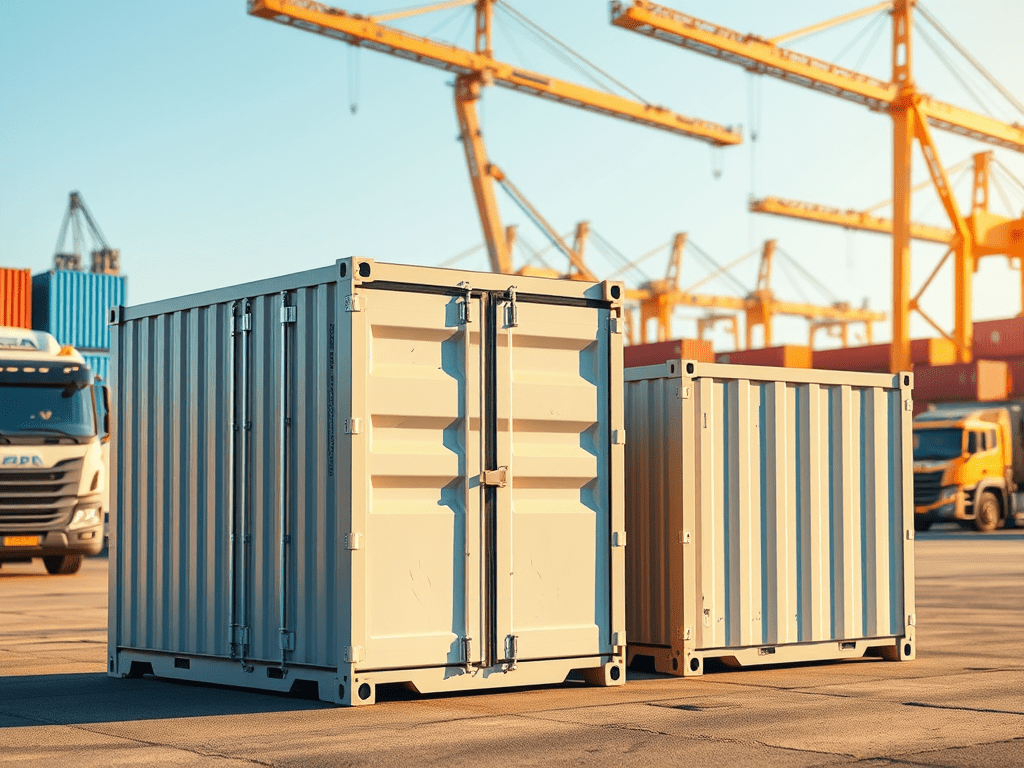
A logistics container is a durable, secure storage unit typically made from steel and designed for transporting goods via road, rail, or sea. Available in various sizes (20ft, 40ft, etc.) and types (standard, refrigerated, high cube), they are crucial for global trade, warehousing, construction, and event logistics.
Renting vs. Buying: Quick Comparison
Infographic: Key differences and benefits of renting vs buying logistics containers.
| Feature | Buying | Renting |
|---|---|---|
| Upfront Cost | High | Low/None |
| Flexibility | Low | High |
| Maintenance | Owner’s responsibility | Covered by rental company |
| Ideal for Short-term Use | No | Yes |
| Storage When Not in Use | Required | Not Needed |
| Depreciation | Yes | No |
Real-Life Case Study #1: Construction Company in Texas
Challenge: A construction company needed secure storage space for tools and materials at a temporary site for 6 months.
Solution: Instead of purchasing, they rented three 20-foot containers.
Result:
- Saved over $8,000 in upfront costs.
- Eliminated post-project storage issues.
- Maintenance handled by the rental company.
Quote:
“Renting containers gave us the flexibility and peace of mind we needed without the financial burden of ownership.” — Project Manager
10 Reasons to Rent a Logistics Container
1. Lower Upfront Costs
Buying containers requires a significant investment. Renting allows businesses to allocate funds to core operations instead.
2. No Maintenance Hassles
Repairs and upkeep are typically included in rental agreements, saving you time and unexpected expenses.
3. Short-Term Project Ready
Perfect for events, seasonal storage, or pop-up shops. Rent for as long as you need it.
4. No Long-Term Storage Needs
Once you’re done, the rental company collects the container. No need to find storage space.
5. Easily Scalable
Rent more containers during peak seasons and return them when demand drops.
6. Access to a Variety of Types
Need a refrigerated or insulated container? Rentals offer wide choices without long-term commitment.
7. Eco-Friendly Option
Renting promotes reuse, reducing the environmental impact of container production.
8. Great for Market Testing
Starting operations in a new location? Rent containers to test logistics before scaling.
9. Avoid Depreciation & Resale Worries
Containers lose value over time. Renting means no depreciation and no hassle of reselling.
10. Potential Tax Benefits
Rental fees may be fully deductible as operational expenses.
Real-Life Case Study #2: E-Commerce Retailer in California
Challenge: A fast-growing e-commerce brand faced space constraints during the holiday rush.
Solution: They rented five 40-foot containers for temporary inventory storage.
Result:
- Met seasonal demand without permanent expansion.
- Returned containers in January without long-term costs.
Quote:
“Renting containers gave us the breathing room we needed to fulfill orders on time.” — Operations Head
What About You?
Have you ever rented or bought a logistics container?
- What challenges did you face?
- Was renting more beneficial in the short or long term?
We’d love to hear your experiences in the comments!ference to your bottom line.
Final Thoughts
Renting logistics containers is more than just a trend—it’s a strategic business decision that offers flexibility, savings, and convenience. With maintenance handled, lower upfront costs, and the ability to scale on demand, renting is ideal for businesses that need smart, temporary solutions.
 Go-To Blog for Everything!
Leave a comment